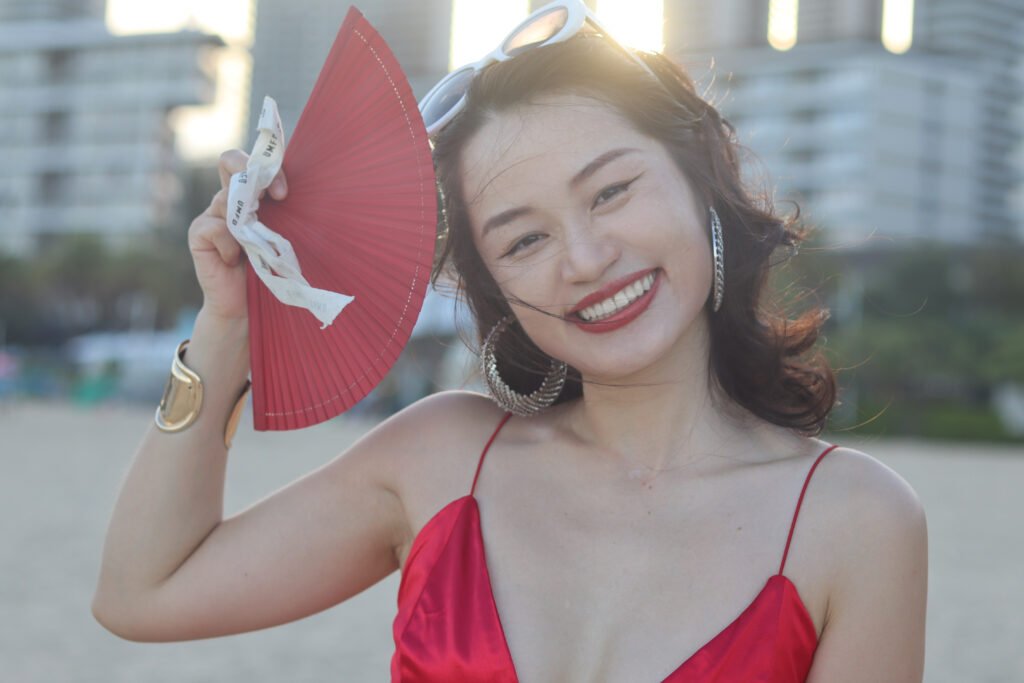

This week’s AskAZ is written from my vacation desk—sunlight spilling across the table, the rare quiet reminding me what happiness feels like when it returns, softly, like a long-lost friend.
A line from Meditations captures my state of mind:
“Since my soul has been freed from every distraction, and since I am enjoying a steady calm in a quiet retreat, I can now, in earnest and with complete freedom, examine all my old beliefs.”
And then, your letter found me.
Dear Amanda,
Life is going well. Stable job, good salary, steady progress toward every goal I once set for myself. My friends envy me, saying I have it all together.
But the truth? I don’t feel alive inside my own life.
Even promotions and pay raises don’t spark joy—only more pressure. Even vacations feel anxious, as if I’m falling behind. It feels like I’m forever chasing, never arriving.
So I wonder: is happiness really something we can earn through effort? Or is it never about reaching a “finish line” at all? Where does happiness truly come from?
— Vivian
My reply:
Dear Vivian,
You are not alone. What you describe—the quiet absence of joy despite having “everything right”—is far more common than people admit.
We were taught that if we worked hard, achieved milestones, checked the boxes of success—money, home, career, family—happiness would simply arrive.
But here’s the truth: happiness is not a prize at the end of a to-do list. It is not a switch that flips once you reach a salary bracket or buy a house.
Happiness is movement, not a destination. A current that flows through how you think, the choices you make, and the way you define a life worth living.
Joy vs. Happiness
What you’re feeling is the difference between short bursts of joy and sustained happiness.
Joy is the thrill of a promotion, the rush of buying something new, the dopamine hit of a “like” online. It’s sweet—but fleeting.
Happiness is quieter, steadier. It’s waking up with anticipation for the day. It’s feeling at peace with your own choices. It’s noticing your growth over time and feeling proud of who you’re becoming.
Joy fades. Happiness compounds.
Why “having it all” isn’t enough
Let’s reframe two patterns that often keep us stuck:
We confuse completing tasks with creating experiences.
Promotions, houses, savings—these are milestones. But if your calendar never holds space for exploration, creativity, wonder, your life becomes a productivity race, not a living experience.
We borrow society’s definition of happiness.
Maybe what you truly crave is not the corner office, but the freedom to spend mornings painting. Maybe it’s not the luxury apartment, but the ease of walking barefoot on the grass. True happiness begins when you stop outsourcing your definition of a “good life.”
How to practice happiness (not just wait for it)
Happiness is not static—it’s a skill, a practice, a rhythm you can cultivate. Try beginning here:
Redefine what matters.
Ask yourself: what moments, when you recall them, make you smile without effort? A late-night laugh with friends? A solo trip where you felt utterly free? Let these memories guide you—they are your happiness compass.
Make happiness a priority, not an afterthought.
Stop waiting for “someday.” Don’t postpone joy until the project is done, the kids are older, or retirement finally arrives. Block out time now for the things that make you feel alive.
Allow the full spectrum of emotions.
Happiness does not mean the absence of pain, anxiety, or uncertainty. It is a river that runs through all emotions, not just the clear waters. When you accept the turbulence, you also deepen your capacity for joy.
A final thought
Vivian, your happiness cannot be outsourced—to society, to milestones, to other people’s approval. It belongs only to you.
The real question is not, “How do I achieve more to be happy?” but,
“Without the noise of expectations—what kind of life would make me feel truly alive?”
That answer is where your happiness lives.
So pursue it. Not later. Now.
With warmth,
Amanda
About AskAZ: AskAZ is a weekly column where I share reflections on how to navigate life’s big questions with courage, clarity, and heart. Each letter is an invitation to live more intentionally—and to remember: you are never to be underestimated.